Buy studio37.eu ?
We are moving the project
studio37.eu .
Are you interested in purchasing the domain
studio37.eu ?
domain@kv-gmbh.de · 0541-91531010
Buy studio37.eu ?
What is the correct conjugation?
The correct conjugation of a verb depends on the subject of the sentence and the tense being used. In English, regular verbs typically follow a pattern of adding -ed to form the past tense (e.g., walk becomes walked). Irregular verbs, on the other hand, have unique conjugations that do not follow a set pattern (e.g., go becomes went). It is important to pay attention to the subject of the sentence and the tense being used in order to correctly conjugate a verb. **
What is conjugation in German?
Conjugation in German refers to the process of changing the form of a verb to match the subject of the sentence. This means that the verb will have different endings depending on whether the subject is "I," "you," "he/she/it," "we," or "they." Conjugation is an important aspect of German grammar as it helps to indicate who is performing the action in a sentence. It is essential for learners of German to understand how to conjugate verbs in order to communicate effectively in the language. **

Similar search terms for Conjugation
Top-Angebote
Products related to Conjugation:
-
Classic Touch Set of 6 Water Glasses with 14K Gold Artwork Brick Design"This set of 6 water glasses has been gorgeously designed with gold design. They are Made of sturdy glass which makes it an elegant choice for any table setting or decor. Measures 3.5""D x 8""H"112,49 $*Shipping: 0,00 $Secure redirect to the provider
-
ClearBags "Crystal Packaging Adhesive Flap Bag Great For Artwork and Photography Bag Size: 20 7/16"" x 30 1/4"" 100 Bags Crystal Clear Bags""Our B2030 Crystal Clear Flap Seal Bag measures 20 7/16"" x 30 1/4"" and holds a 20"" x 30"" product. Ideal for art and photography with double mats with backing or single mats with foam board up to 5/16 inch thick. This bag features an adhesive seal on..."92,74 $*Shipping: 0,00 $Secure redirect to the provider
-
Pan Make Brilliant Work: Lessons on Creativity, Innovation and Success by Rod Judkins - Paperback - Self-Help/Business Creativity Guide, Author ofMake Brilliant Work is an inspiring guide by Rod Judkins, drawing on the real-life stories of visionaries from Frida Kahlo to Steve Jobs. This paperback book reveals the methods and mindsets that turn ordinary effort into extraordinary results. Judkins proves that talent alone never guaranteed success — persistence, risk-taking and original thinking did. A motivating read for anyone wanting to unlock their creative potential at work or in life. The book profiles figures who failed at school, were told they lacked talent, or were fired more than once, yet went on to achieve great things. Written by Rod Judkins, published by Pan Macmillan, this book is a reassuring truth: you don't have to be naturally brilliant to produce brilliant work.2,99 £*Shipping: 2,99 £Secure redirect to the provider


-
What conjugation does "dare" have?
"Dare" is a regular verb in Italian and belongs to the second conjugation. In the present tense, it is conjugated as follows: io do, tu dai, lui/lei dà, noi diamo, voi date, loro danno. **
-
How do I distinguish between the verbs of the E-conjugation and the consonant conjugation?
In Old Norse, the E-conjugation verbs typically end in -a in the infinitive form, while the consonant conjugation verbs end in -a, -i, or -u. Additionally, the E-conjugation verbs have a stem vowel that changes between the present and past tense, while the consonant conjugation verbs have a stem vowel that remains the same. It is also important to note that there are irregular verbs in both conjugations that do not follow these patterns. Therefore, it is important to study and memorize the specific conjugation patterns for each verb. **
-
What is the conjugation in German?
Conjugation in German refers to changing the form of a verb to match the subject of a sentence. This means adjusting the verb's ending based on the person (I, you, he/she/it, we, you all, they) and tense (present, past, future). German verbs can have different conjugations depending on these factors, making it important to learn the various verb forms to communicate accurately in the language. **
-
What does the consonantal conjugation mean?
Consonantal conjugation is a grammatical feature found in Semitic languages, where the root of a verb consists of consonants only, and the vowels are added to indicate different tenses, moods, and aspects. This type of conjugation is characterized by changes in the vowels within the root consonants to convey different meanings. Consonantal conjugation allows for a high degree of flexibility and complexity in verb forms, making it a key feature of Semitic language grammar. **
Is there a language without conjugation?
Yes, there are languages without conjugation. For example, Chinese is a language that does not have verb conjugation. In Chinese, verbs remain the same regardless of the subject or tense. Instead, time expressions or context are used to indicate when an action took place. **
What is the correct conjugation of s'asseoir?
The correct conjugation of "s'asseoir" in the present tense is as follows: - Je m'assois - Tu t'assois - Il/elle/on s'assoit - Nous nous asseyons - Vous vous asseyez - Ils/elles s'assoient **
Top-Angebote
Products related to Conjugation:
-
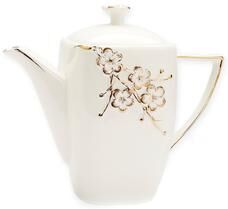
Classic Touch Gold Floral Artwork Design Mug with White Squared TrayThis mug was decorated with a gold floral artwork design. Its square tray gives it that extra touch. whether your serving family or friends this set will truly make a statement.24,49 $*Shipping: 0,00 $Secure redirect to the provider
-
Classic Touch "Milk Dispenser Gold Floral Artwork Design W/ Handle - 8"""This porcelain milk dispenser is designed with a beautiful floral design. whether your serving family or friends this set will truly give that extra statement to your table setting.29,99 $*Shipping: 0,00 $Secure redirect to the provider
-
Classic Touch Set of 6 Water Glasses with 14K Gold Artwork Brick Design"This set of 6 water glasses has been gorgeously designed with gold design. They are Made of sturdy glass which makes it an elegant choice for any table setting or decor. Measures 3.5""D x 8""H"112,49 $*Shipping: 0,00 $Secure redirect to the provider
-
ClearBags "Crystal Packaging Adhesive Flap Bag Great For Artwork and Photography Bag Size: 20 7/16"" x 30 1/4"" 100 Bags Crystal Clear Bags""Our B2030 Crystal Clear Flap Seal Bag measures 20 7/16"" x 30 1/4"" and holds a 20"" x 30"" product. Ideal for art and photography with double mats with backing or single mats with foam board up to 5/16 inch thick. This bag features an adhesive seal on..."92,74 $*Shipping: 0,00 $Secure redirect to the provider
-
What is the correct conjugation?
The correct conjugation of a verb depends on the subject of the sentence and the tense being used. In English, regular verbs typically follow a pattern of adding -ed to form the past tense (e.g., walk becomes walked). Irregular verbs, on the other hand, have unique conjugations that do not follow a set pattern (e.g., go becomes went). It is important to pay attention to the subject of the sentence and the tense being used in order to correctly conjugate a verb. **
-
What is conjugation in German?
Conjugation in German refers to the process of changing the form of a verb to match the subject of the sentence. This means that the verb will have different endings depending on whether the subject is "I," "you," "he/she/it," "we," or "they." Conjugation is an important aspect of German grammar as it helps to indicate who is performing the action in a sentence. It is essential for learners of German to understand how to conjugate verbs in order to communicate effectively in the language. **
-
What conjugation does "dare" have?
"Dare" is a regular verb in Italian and belongs to the second conjugation. In the present tense, it is conjugated as follows: io do, tu dai, lui/lei dà, noi diamo, voi date, loro danno. **
-
How do I distinguish between the verbs of the E-conjugation and the consonant conjugation?
In Old Norse, the E-conjugation verbs typically end in -a in the infinitive form, while the consonant conjugation verbs end in -a, -i, or -u. Additionally, the E-conjugation verbs have a stem vowel that changes between the present and past tense, while the consonant conjugation verbs have a stem vowel that remains the same. It is also important to note that there are irregular verbs in both conjugations that do not follow these patterns. Therefore, it is important to study and memorize the specific conjugation patterns for each verb. **
Similar search terms for Conjugation
-
Pan Make Brilliant Work: Lessons on Creativity, Innovation and Success by Rod Judkins - Paperback - Self-Help/Business Creativity Guide, Author ofMake Brilliant Work is an inspiring guide by Rod Judkins, drawing on the real-life stories of visionaries from Frida Kahlo to Steve Jobs. This paperback book reveals the methods and mindsets that turn ordinary effort into extraordinary results. Judkins proves that talent alone never guaranteed success — persistence, risk-taking and original thinking did. A motivating read for anyone wanting to unlock their creative potential at work or in life. The book profiles figures who failed at school, were told they lacked talent, or were fired more than once, yet went on to achieve great things. Written by Rod Judkins, published by Pan Macmillan, this book is a reassuring truth: you don't have to be naturally brilliant to produce brilliant work.2,99 £*Shipping: 2,99 £Secure redirect to the provider
-
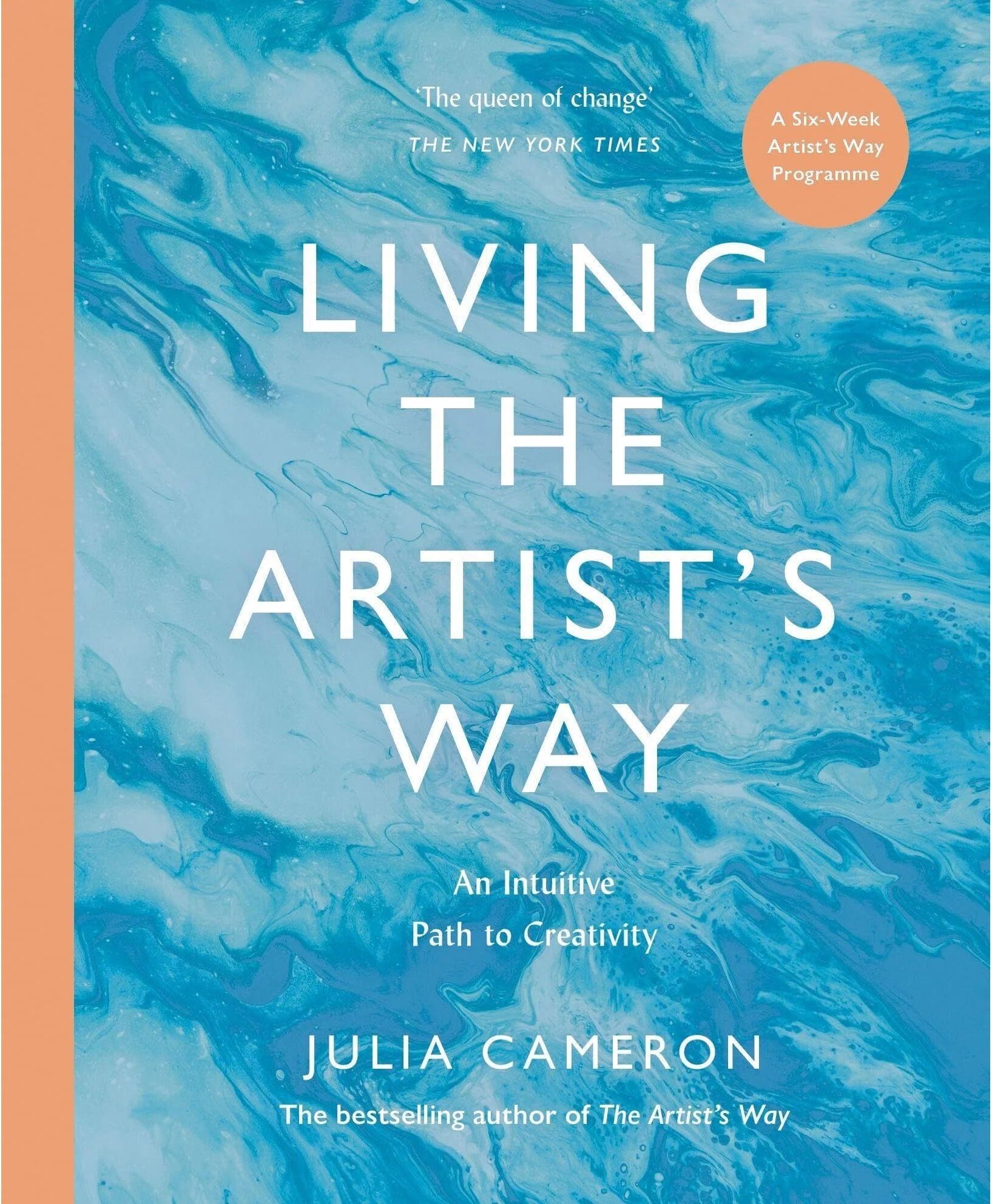
Souvenir Press Living the Artist's Way: An Intuitive Path to Creativity by Julia Cameron - Paperback Self-Help Book on Creativity & GuidanceDiscover Julia Cameron's intuitive path to creativity with Living the Artist's Way, a practical companion for anyone seeking to deepen their creative recovery and quieten self-doubt. This brand new paperback from Souvenir Press invites readers into a deeply personal exploration of how guidance, both spiritual and intuitive, can transform the creative life. Cameron's signature practices, including Morning Pages, Artist Dates, and Walks, are built upon in this six-week programme, introducing readers to Writing for Guidance as a fourth core discipline. A warm and supportive guide for anyone looking to reconnect with their creativity and overcome self-doubt, Living the Artist's Way is a must-read for anyone on a journey of creative discovery.9,99 £*Shipping: 2,99 £Secure redirect to the provider
-
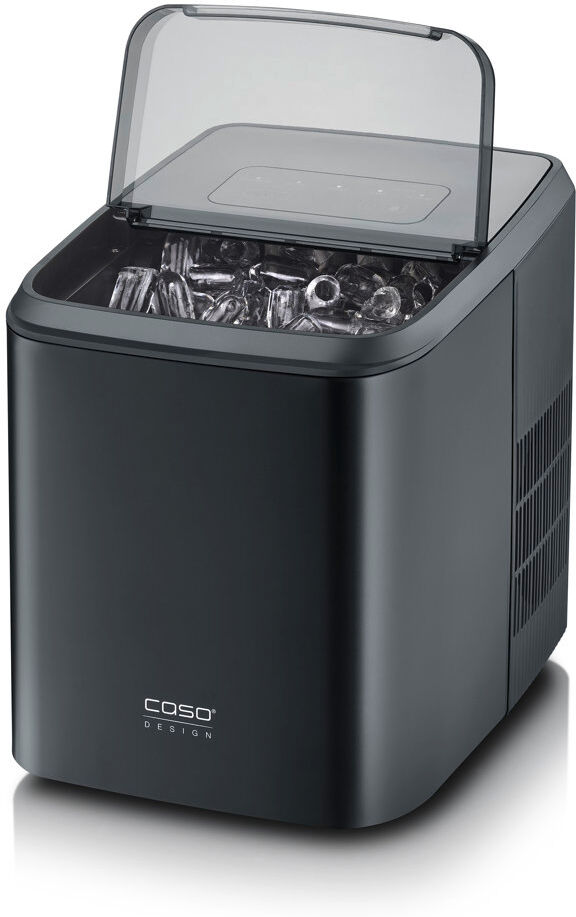
Caso Design Clear Ice Advanced Ice Cube Maker, 8.8kg Daily Production Black 30cm H X 24cm W X 29cm DProduce crystal clear ice cubes with the CASO Design Clear Ice Advanced ice maker. As well as classic ice cubes, the Clear Ice Advanced produces clear ice cubes that don’t just look stunning, they melt slower, leading to less dilution, improving the look and taste of your drinks. Powerful compressor technology operates at a quiet 48 dB, making ice in as little as 8 minutes and produces 320-350 g per hour or 7.7-8.8 kg in 24 hours. Brand Name: Caso Design.149,97 £*Shipping: 0,00 £Secure redirect to the provider
-
What is the conjugation in German?
Conjugation in German refers to changing the form of a verb to match the subject of a sentence. This means adjusting the verb's ending based on the person (I, you, he/she/it, we, you all, they) and tense (present, past, future). German verbs can have different conjugations depending on these factors, making it important to learn the various verb forms to communicate accurately in the language. **
-
What does the consonantal conjugation mean?
Consonantal conjugation is a grammatical feature found in Semitic languages, where the root of a verb consists of consonants only, and the vowels are added to indicate different tenses, moods, and aspects. This type of conjugation is characterized by changes in the vowels within the root consonants to convey different meanings. Consonantal conjugation allows for a high degree of flexibility and complexity in verb forms, making it a key feature of Semitic language grammar. **
-
Is there a language without conjugation?
Yes, there are languages without conjugation. For example, Chinese is a language that does not have verb conjugation. In Chinese, verbs remain the same regardless of the subject or tense. Instead, time expressions or context are used to indicate when an action took place. **
-
What is the correct conjugation of s'asseoir?
The correct conjugation of "s'asseoir" in the present tense is as follows: - Je m'assois - Tu t'assois - Il/elle/on s'assoit - Nous nous asseyons - Vous vous asseyez - Ils/elles s'assoient **
* All prices are inclusive of VAT and, if applicable, plus shipping costs. The offer information is based on the details provided by the respective shop and is updated through automated processes. Real-time updates do not occur, so deviations can occur in individual cases. ** Note: Parts of this content were created by AI.